
There is always one.
You know which room it is before I finish the sentence. It is not the living room you styled within an inch of its life. It is not the kitchen that has been photographed. It is not the entryway, with its considered mirror and its intentional hook arrangement, its small table that says I thought about this.
It is the other one. The back bedroom that became a storage room that became something else entirely. The hallway that no one enters except to pass through. The corner of the office where things that don’t have a home go to live until you figure out where they belong. You have never styled this space. You have never looked at it on a Tuesday afternoon and thought: What does this need? It accumulated while your attention was elsewhere. And that, it turns out, is exactly what makes it worth looking at.
The curated room performs. The unplanned room confesses.
Most of us understand, intuitively, that our designed spaces are a kind of theater. We make choices about what to show: which objects earn display, which colors get invited in, which version of ourselves gets staged for the people who walk through the front door. This is not dishonesty exactly. It is the natural human impulse to present our best selves in the spaces others will judge.
But judgment requires an audience. And the back bedroom has no audience.
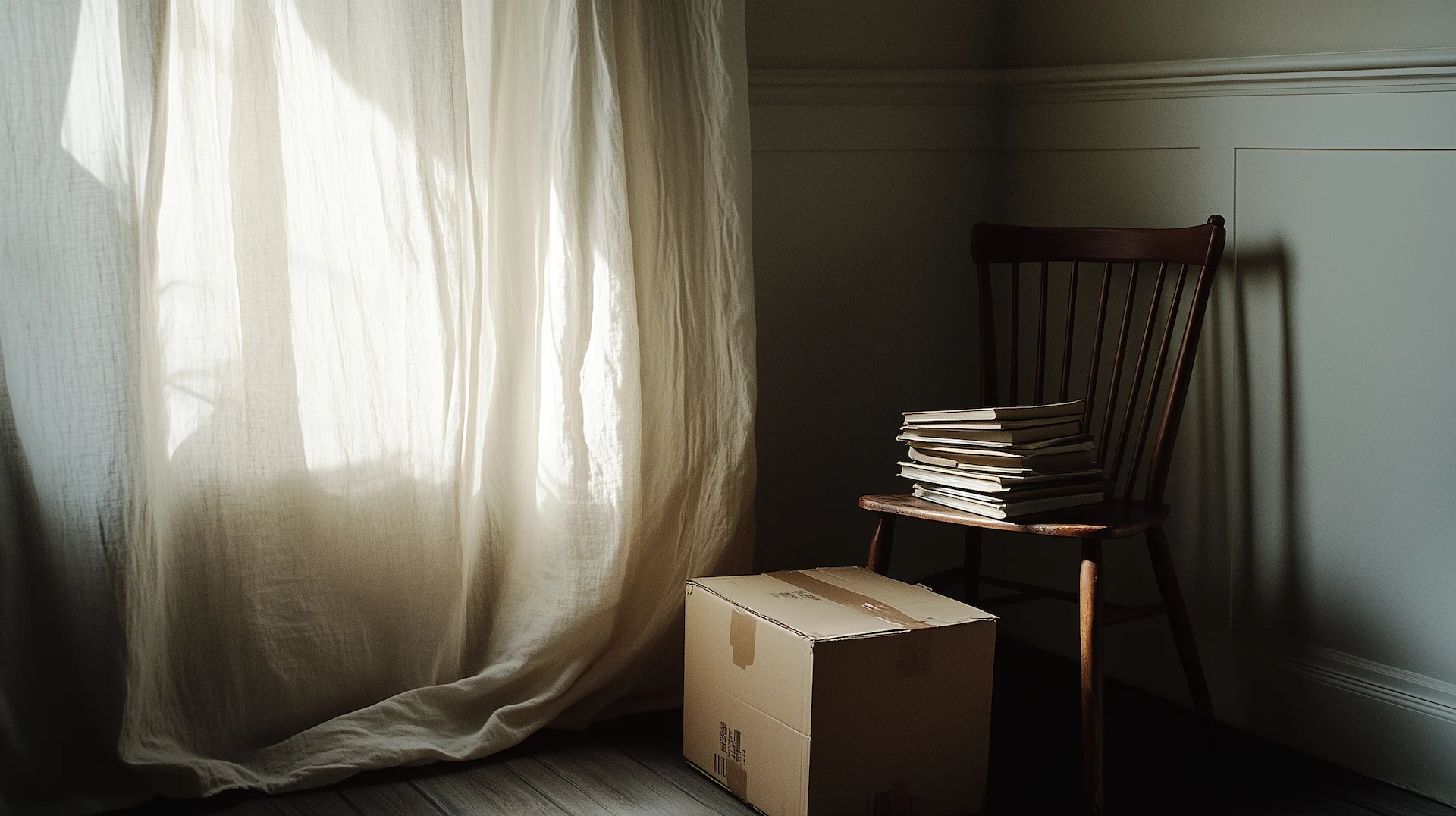
Walk into the room nobody planned, and you will find: the box of things from your last apartment that you haven’t unpacked in three years because unpacking them means deciding something. The stack of books you intend to read, arranged in an order that reveals what you think your future self will care about. The old desk chair, uncomfortable but functional, was kept because getting rid of it felt like admitting you bought the wrong chair. The color on the walls, probably whatever the previous tenant or your past self chose when you were less certain, that you never got around to changing, because this room was never quite the priority.
None of this is decorated. All of it is design. Design in the truest sense: the material expression of choices made and deferred, of values held and abandoned, of the gap between who you are and who you keep meaning to become.
Reading the room.
The things that accumulate in an unplanned space are not random. They are the objects that couldn’t make the cut for the curated rooms, not because they lack value, but because they don’t fit the story you’re telling in public. The unfinished project. The art that moves you but that you’re not sure you’re allowed to love. The gift from someone you no longer see that you can’t bring yourself to give away.
What is on the floor tells you what you can’t decide. What is on the shelves tells you what you’re holding onto. What is still in boxes tells you what you’re not ready to face.
The color, even when chosen carelessly or not at all, tells you something, too. The rooms we neglect often hold the colors we inherited rather than chose: the builder’s beige, the rental white, the shade someone else picked. Which is to say, in the unplanned room, you can see where your self-determination ran out of steam. Where you stopped deciding and started accepting. That is not a criticism. It is information.
Some conversations belong in a letter.
Hue & Human — weekly, free, written for the reader who goes further.
The argument for reading this room seriously.
There is a kind of design advice that says: make every room intentional. Style the corners. Curate the shelves. Let no space accumulate by accident.
I am not giving that advice.
I am saying the opposite: before you change anything in your unplanned room, spend some time reading it. What you find there is an honest record of your priorities, your unfinished business, your actual taste as distinct from your aspirational one. The curated living room shows you who you want to be. The back bedroom shows you who you are right now, on a Tuesday, when nobody’s looking.
These are not the same person. And knowing the difference is the beginning of designing a home that tells the truth about both.
The most meaningful design moves I have ever seen someone make came not from a new purchase or a fresh coat of paint, but from the moment a person stood in their unplanned room and finally looked at it honestly. Not with shame. Not with the urgent need to fix it. Just with the quiet recognition that this room had been keeping a record, and that the record was worth reading.
What to do with what you find.
Once you’ve read the room, really read it rather than simply noting that it needs work, you have choices. Some of what you find belongs. The box you haven’t opened is not always avoidance; sometimes it is wisdom about what you actually need. The chair you kept is not always dysfunctional; sometimes things earn their place through use, not beauty. The color you didn’t choose might be the color you’ve grown into without noticing.
And some of what you find is ready to go. The projects that are never going to get finished. The objects kept out of obligation rather than love. The version of yourself that is being stored in that room because you haven’t had the courage to either recommit to it or let go of it.
The unplanned room is asking you a question. Not an interior design question. A life question.
What are you still holding onto, and does it deserve the space?
That is the work. The painting can come later.
If this piece made you slow down and think, the newsletter was made for you. Weekly, free, and written for the reader who reads all the way to the end. One letter. One idea. The color of the week, the room worth studying, the question worth sitting with.
Subscribe Free